
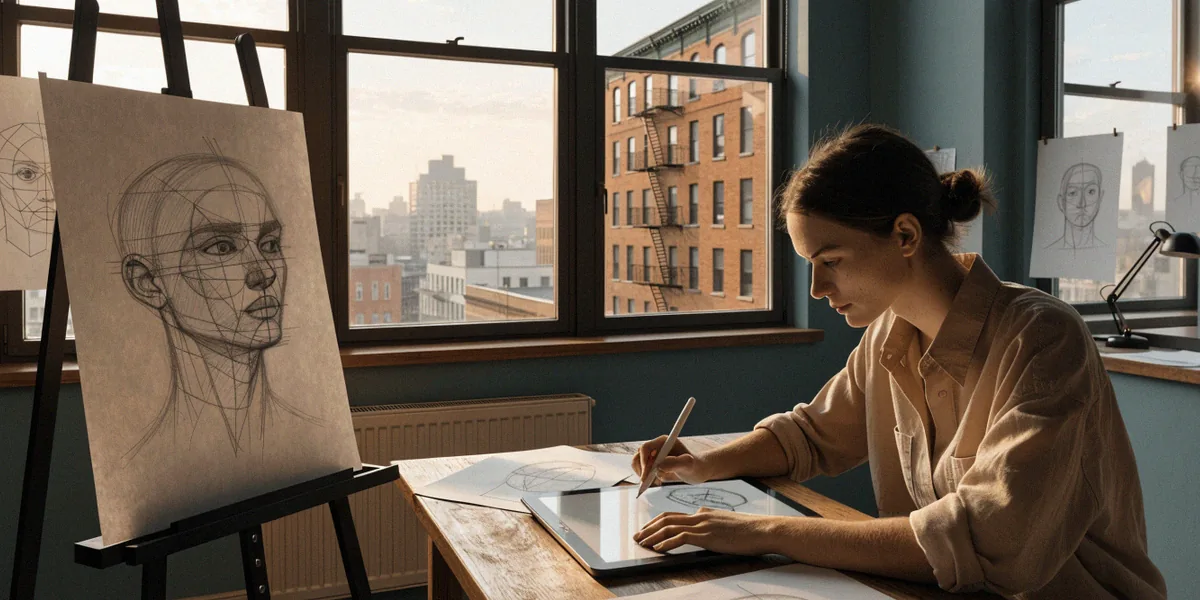
Studio Technique Montreal: Figure Drawing and Animation Training
Walk down Saint-Laurent Boulevard on a Tuesday evening and you can feel it — the hum of a city that never stops creating. Animators sketch in cafés, storyboard artists argue over coffee in Mile End, and somewhere in a studio downtown, a character is being brought to life one frame at a time. Montreal isn’t just a city that consumes animation; it’s a city that produces it, exports it, and celebrates it. At Studio Technique Montreal, we channel that creative energy into something concrete: world-class figure drawing and animation training. Whether you’re picking up a pencil for the first time or refining a portfolio for Sheridan, our studio in the heart of the city is where observation meets imagination — and where Montreal’s next generation of animators gets its start.
Why Figure Drawing Is the Foundation of Animation Training
Ask any professional animator what skill they use most, and you’ll rarely hear “software.” You’ll hear “observation.” Before you can animate a character that feels alive, you need to understand how living bodies actually move — how weight shifts through a hip, how a spine curves when someone reaches for a cup, how a hand relaxes in mid-air. That understanding doesn’t come from tutorials. It comes from drawing the human figure, over and over, from life.
Montreal is a global hub for animation, home to studios like Ubisoft, Framestore, and the National Film Board of Canada. That concentration of talent means one thing for students: the bar is high. The artists who thrive in this industry are the ones who can think on their feet, capture a pose in thirty seconds, and translate a director’s note into believable movement. Figure drawing builds exactly those muscles. It trains your eye to see gesture before detail, your hand to commit to a line, and your brain to store a mental library of poses you can draw on when you’re animating a walk cycle at 2 a.m.
At Studio Technique Montreal, we treat figure drawing not as a prerequisite you get out of the way, but as a lifelong practice. Our approach blends classical life drawing traditions with the specific demands of animation — speed, clarity, expression, and storytelling. We don’t just want you to draw a beautiful figure. We want you to draw a figure that could walk off the page and into a scene.
The Role of Gesture Drawing in Capturing Motion
If figure drawing is the foundation, gesture drawing is the heartbeat. A gesture drawing is a rapid sketch — usually 30 seconds to two minutes — that captures the essence of a pose: the line of action, the distribution of weight, the emotional attitude of the body. It’s not about anatomy or proportion. It’s about life.
For animators, gesture drawing is non-negotiable. When you’re blocking out a character’s movement, you’re essentially drawing gestures in sequence. The animator who can nail a gesture in 45 seconds will block a scene faster and more convincingly than one who can’t. That’s why our gesture drawing sessions are a core part of every program we offer, from beginner classes to portfolio prep.
In our studio, gesture drawing isn’t a warm-up you rush through. It’s the main event. We push students to commit to bold lines, to resist the urge to “fix” a drawing, and to trust their first impression. Over weeks, something remarkable happens: students stop drawing poses and start drawing motion.
From Life Drawing to Character Animation
There’s a moment every animator remembers — the first time a drawing on paper feels like it’s breathing. That moment rarely happens in front of a screen. It happens in a life drawing room, when you finally see how a ribcage tilts when an arm reaches up, or how a knee locks when a figure shifts weight.
At Studio Technique Montreal, we bridge the gap between the life drawing room and the animation desk deliberately. Our long-pose figure drawing sessions give students time to study anatomy, proportion, and form. Our shorter poses train speed and decision-making. And our animation-specific workshops take those skills and apply them directly: constructing characters from simple shapes, designing poses that read clearly in silhouette, and building sequences that feel physically believable.
The result is that our students don’t just draw well — they animate with confidence. They understand why a pose works, not just how to copy it. That’s the difference between a student who gets into an animation program and one who gets hired after graduation.
How Montreal’s Animation Studios Value Figure Drawing
Montreal’s animation industry is one of the most competitive in the world, and studios here know exactly what they’re looking for. When recruiters from Ubisoft, Framestore, or the National Film Board of Canada review a portfolio, they’re not just checking technical skill. They’re looking for artists who understand weight, timing, and appeal — the fundamentals that figure drawing develops.
We’ve spoken with enough local professionals to know the pattern: the artists who rise fastest are the ones who never stopped drawing from life. Many of our instructors still attend life drawing sessions themselves, even after years in the industry. That’s not nostalgia — it’s maintenance. Figure drawing keeps your eye sharp and your hand honest.
Studying in Montreal gives our students a unique advantage: they’re training in the same city where they hope to work. Our classes are full of students who walk past studio buildings on their commute, who attend animation festivals like Animaze, and who understand that the skills they’re building in our studio are the same skills that will one day land them a credit on a feature film.
Our Montreal Art Classes: Figure Drawing and Beyond
Studio Technique Montreal offers a range of classes designed for different goals, schedules, and experience levels. Some students come to us to build a portfolio for animation school. Others come to stay sharp between contracts. Others simply want to draw better, for the pure love of it. All of them find a home here.
Our studio is located in the heart of the city, easily accessible by public transit — a short walk from multiple metro lines and bus routes. That matters more than it sounds. When your class is easy to get to, you show up. And when you show up consistently, you improve.
Below is an overview of what we offer. Every class is taught by working professionals, capped at small sizes to ensure individual attention, and open to a range of skill levels unless otherwise noted.
Weekly Figure Drawing Sessions with Live Models
Our weekly figure drawing sessions are the backbone of the studio. Each session features live models — professional, experienced, and comfortable with both short and long poses. Sessions typically run two to three hours and are divided into timed blocks: quick gestures to warm up, medium poses to build form, and longer poses for detailed study.
These sessions are open to all skill levels. Complete beginners are welcome, and we provide basic materials for anyone who needs them. More experienced artists use these sessions to maintain their practice, experiment with new media, or simply enjoy the discipline of drawing from life in a focused, supportive environment.
What makes our sessions different is the feedback culture. Instructors circulate during the session, offering quick notes and demonstrations. You’re not drawing alone in a silent room — you’re part of a community that wants you to improve.
- Duration: 2–3 hours per session
- Frequency: Weekly, with morning and evening options
- Models: Professional live models, varied body types and poses
- Skill level: Open to all — beginner to advanced
- Materials: Bring your own or use our studio supplies
Gesture Drawing Intensives for Animators
Our gesture drawing intensives are designed specifically for students who want to animate. These workshops compress weeks of practice into focused, high-energy sessions where speed and clarity are the priority. We work almost exclusively with short poses — 30 seconds to two minutes — and push students to draw faster than they think they can.
The intensive format is demanding but transformative. Students who complete a full intensive cycle typically see dramatic improvement in their ability to capture motion, simplify forms, and design poses that read clearly. These skills transfer directly to animation, storyboarding, and character design.
We recommend gesture intensives for students who already have some basic drawing experience, though motivated beginners are welcome. If you’re preparing an animation portfolio, this is one of the most valuable classes you can take.
Specialized Workshops in Character Design and Storyboarding
Beyond our core figure drawing and gesture classes, we offer rotating workshops in character design, storyboarding, and animation fundamentals. These workshops run in shorter cycles — usually four to eight weeks — and focus on specific, practical skills.
Our character design workshop covers shape language, silhouette, expression sheets, and turnarounds. Our storyboarding workshop teaches visual storytelling, camera language, and staging. Both workshops emphasize the figure drawing skills you’ve built in our other classes and show you how to apply them to professional briefs.
We also run periodic workshops on topics like animal drawing, drapery, and digital painting for animators. Workshop topics rotate seasonally, so check our schedule regularly or join our mailing list to stay informed.
Building a Standout Animation Portfolio with Studio Technique
For many of our students, the ultimate goal is a portfolio — a curated body of work that demonstrates skill, voice, and potential to an admissions committee or a hiring manager. Building that portfolio is not about drawing the most things. It’s about drawing the right things, in the right way, and presenting them with confidence.
At Studio Technique Montreal, portfolio preparation is woven into everything we teach. From the first figure drawing session to the final review, we’re thinking about how each piece of work contributes to the story you’re telling about yourself as an artist.
Portfolio Requirements for Animation Programs
Canadian animation programs are competitive, and each school has its own requirements. Sheridan College, for example, is famous for its rigorous portfolio standards, which typically include life drawing, gesture drawings, character designs, and personal work. Concordia University’s programs emphasize both technical skill and creative voice. Other schools across Canada have similar expectations.
What most programs have in common is a focus on fundamentals. Admissions committees want to see that you can draw from life, that you understand the figure, and that you can think creatively. They’re not looking for polish — they’re looking for potential.
Our portfolio preparation classes help students understand these requirements and build work that meets them. We review portfolios from a range of schools, keep up with changing requirements, and help students select and sequence their strongest pieces.
One-on-One Mentorship and Portfolio Reviews
Every student in our portfolio program receives one-on-one mentorship. That means regular reviews with an instructor who knows your work, understands your goals, and can give you honest, specific feedback. We don’t do generic advice. We look at your actual drawings and tell you what’s working and what isn’t.
Portfolio reviews happen on a schedule — typically every few weeks — and include written notes, demonstrations, and clear next steps. As your portfolio develops, we help you refine it, edit it, and prepare it for submission. We also run mock reviews to simulate the pressure of an actual admissions interview.
Many of our students have been accepted into top Canadian animation programs like Sheridan College and Concordia University. That track record isn’t an accident. It’s the result of a structured, demanding, and deeply personal approach to portfolio preparation.
Success Stories from Our Montreal Students
Our students come from all over Montreal and beyond — CEGEP graduates, career changers, self-taught artists, and international students. What they share is a willingness to work and a desire to grow.
We’ve watched students go from shaky 30-second gestures to confident, expressive drawings in a single semester. We’ve seen portfolios transform from scattered sketches into cohesive, professional bodies of work. And we’ve celebrated acceptance letters from schools across Canada, along with first jobs at local studios.
We don’t share names without permission, but we’re always happy to connect prospective students with alumni who can speak honestly about their experience. If you want to know what it’s really like to study here, just ask.
Meet Our Instructors: Professional Artists from Montreal’s Animation Scene
Our instructors are not career teachers who dabble in art. They’re working professionals who teach because they love it — and because they remember what it was like to be a student trying to break in. Every instructor on our team has industry credits, and most of them are still active in Montreal’s animation scene.
That matters for two reasons. First, they know what the industry actually expects. Second, they bring current, practical knowledge into the classroom — not theory from a textbook, but lessons from real productions.
Instructor Profiles and Industry Credits
Our team includes artists who have worked at some of Montreal’s most respected studios, including Ubisoft, Framestore, and the National Film Board of Canada. Their credits span feature films, television series, video games, and independent shorts. Some specialize in character animation, others in storyboarding, visual development, or 2D effects.
What unites them is a commitment to fundamentals. No matter how much technology changes, our instructors believe that strong drawing skills are the foundation of everything. They teach from that belief, and they hold students to a high standard — not out of strictness, but out of respect for what students are capable of achieving.
Teaching Approach: Balancing Tradition and Technology
We believe in tradition and technology, in that order. Students learn to draw with pencil and paper before they touch a tablet. They study anatomy and gesture before they study rigging. This isn’t nostalgia — it’s pedagogy. The skills you build with traditional media transfer directly to digital tools, and they give you a depth of understanding that shortcuts can’t provide.
That said, we’re not stuck in the past. Our studio is equipped with digital workstations, and our advanced workshops cover software like Toon Boom Harmony, TVPaint, and Adobe Creative Suite. We teach students how to move between traditional and digital workflows, and how to choose the right tool for the job.
The balance matters because the industry demands it. Montreal studios work across 2D, 3D, and hybrid pipelines. Our students graduate with the flexibility to work in any of them.
Guest Lectures from Local Animation Professionals
Throughout the year, we invite guest lecturers from Montreal’s animation community to speak with our students. Past guests have included animators, art directors, recruiters, and indie filmmakers. These sessions give students a window into the industry that no classroom can replicate.
Guest lectures are informal, usually followed by Q&A and portfolio feedback. Students often tell us these sessions are the highlight of their semester — not just because of what they learn, but because of the connections they make. Several of our alumni have landed their first jobs through relationships that started at a guest lecture.
Getting Started: Enrollment, Schedule, and Studio Location
Ready to join us? Here’s everything you need to know about enrolling, scheduling, and visiting our studio. If you have questions that aren’t answered here, reach out — we’re happy to help.
Enrollment Process and Prerequisites
Enrollment at Studio Technique Montreal is straightforward. Most of our classes have no prerequisites beyond a genuine interest in drawing and a willingness to work. Our weekly figure drawing sessions are open to all skill levels, including complete beginners.
To enroll, simply visit our website, choose the class or workshop you’re interested in, and complete the online registration form. For portfolio programs and advanced workshops, we may ask to see a small sample of your work so we can place you in the right group.
We offer a free trial class for first-time students to experience our teaching style. It’s the best way to see if we’re the right fit for you — no pressure, no commitment.
- Browse our current class schedule online
- Complete the registration form for your chosen class
- For advanced programs, submit a small portfolio sample
- Attend your free trial class (first-time students)
- Confirm enrollment and join the studio community
Class Schedules and Flexible Options
We know our students have busy lives. That’s why we offer flexible scheduling across mornings, evenings, and weekends. Our weekly figure drawing sessions run multiple times per week, and our workshops are scheduled in cycles to accommodate different availability.
If you can’t commit to a full semester, we offer drop-in options for select classes and short-format intensives for students who want focused training without a long-term commitment. We also offer private instruction for students who prefer one-on-one learning.
Pricing varies by class format and duration. Full pricing details are available on our website, and we offer payment plans for longer programs. We also offer a limited number of scholarships each year for students with financial need — ask us for details.
Visiting Our Montreal Studio
Our studio is located in the heart of Montreal, easily accessible by public transit. We’re a short walk from major metro lines and bus routes, and there’s paid parking nearby for students who drive.
We encourage prospective students to visit before enrolling. Come see the space, meet an instructor, and sit in on a session. Our doors are open, and we’re proud of the community we’ve built here. To arrange a visit, contact us through our website or drop by during studio hours.
FAQ
Do I need prior drawing experience to join your figure drawing classes?
No. Our weekly figure drawing sessions are open to all skill levels, including complete beginners. We provide basic materials and instruction, and our instructors circulate throughout the session to offer guidance. If you’re new to drawing, we recommend starting with our weekly sessions before moving into intensives or portfolio programs.
How do your classes help with animation portfolio preparation?
Our portfolio programs are built around the specific requirements of Canadian animation schools like Sheridan College and Concordia University. We help students develop strong figure drawing and gesture skills, build character design and storyboarding work, and select and sequence their strongest pieces. One-on-one mentorship and regular portfolio reviews are core parts of the process.
Where is Studio Technique Montreal located, and is it accessible by transit?
Our studio is located in the heart of Montreal, easily accessible by public transit. We’re a short walk from major metro lines and bus routes, with paid parking available nearby. Exact address and directions are available on our website.
Can I try a class before committing to a full program?
Yes. We offer a free trial class for first-time students to experience our teaching style. It’s the best way to see if our studio is the right fit for you. Contact us to schedule your trial session.
Do you offer classes for working professionals or students with busy schedules?
Absolutely. We offer flexible scheduling across mornings, evenings, and weekends, along with drop-in options for select classes and short-format intensives. We also offer private instruction for students who prefer one-on-one learning. Reach out and we’ll help you find a format that fits your life.
At Studio Technique Montreal, we’re committed to nurturing the next generation of animators — artists who draw with confidence, think with clarity, and tell stories that move people. Whether you’re just starting out or refining your craft, our studio in the heart of Montreal is here for you. Join us for a free trial class and see what your pencil can do.
Latest articles
- Winter Life Drawing Sessions in Montreal: Where to PractiseWinter Life Drawing Sessions in Montreal: Where to Practise Montreal winters are no joke. The sun clocks out before 5 p.m., the… Read more: Winter Life Drawing Sessions in Montreal: Where to Practise
- Traditional vs Digital Animation Workflows
 Traditional vs Digital Animation Workflows: What We Teach in Montreal Last winter, our team spent an entire afternoon in the studio arguing… Read more: Traditional vs Digital Animation Workflows
- The 12 Principles of Animation Explained
 The 12 Principles of Animation Explained (With Figure Drawing Insights) We still remember the first time someone sat us down in a… Read more: The 12 Principles of Animation Explained
- Sketchbook Habits of Working Animators
 Sketchbook Habits of Working Animators: What We Learned from Montreal’s Animation Pros You flip open the worn cover of a sketchbook on… Read more: Sketchbook Habits of Working Animators
- Line of Action: The Secret to Dynamic Poses
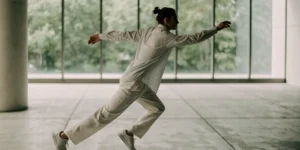 Line of Action: The Secret to Dynamic Poses The model settles into a pose — weight shifted onto one hip, one arm… Read more: Line of Action: The Secret to Dynamic Poses
- Life Drawing Classes in Montreal: What to Expect
 Life Drawing Classes in Montreal: What to Expect You push open the studio door, clutch your newsprint pad a little too tightly,… Read more: Life Drawing Classes in Montreal: What to Expect